Yellow gold: Meaning, Properties, and Differences - Hatton Garden Buyers
Yellow gold: Meaning, Properties, and Differences
ahsan farook
Yellow gold is among the most popular types of precious metal today in terms of colour. In addition to this category, people love choosing white and rose ones. Black and green ones also exist in today’s online and offline markets, but they are less well-known than the previous three options.Across millennia, yellow goldremains the top choice as engagement and wedding rings. It is the most traditional form of the metal itself. Many opt for this jewellery type, as it looks classic and lavish. Indeed, in nature, yellow is the colour that comes out with an orangey, bright tone.Besides being a jewellery collection, this gold category often appears in electronics. For example, electronics producers insert it into smartphone circuit boards, SIM cards, and computer processors. People also keep the gold as an investment instrument. It becomes a haven asset during times of economic crises. Let’s read more about the interesting facts about the topic below!
What is meant by yellow gold?
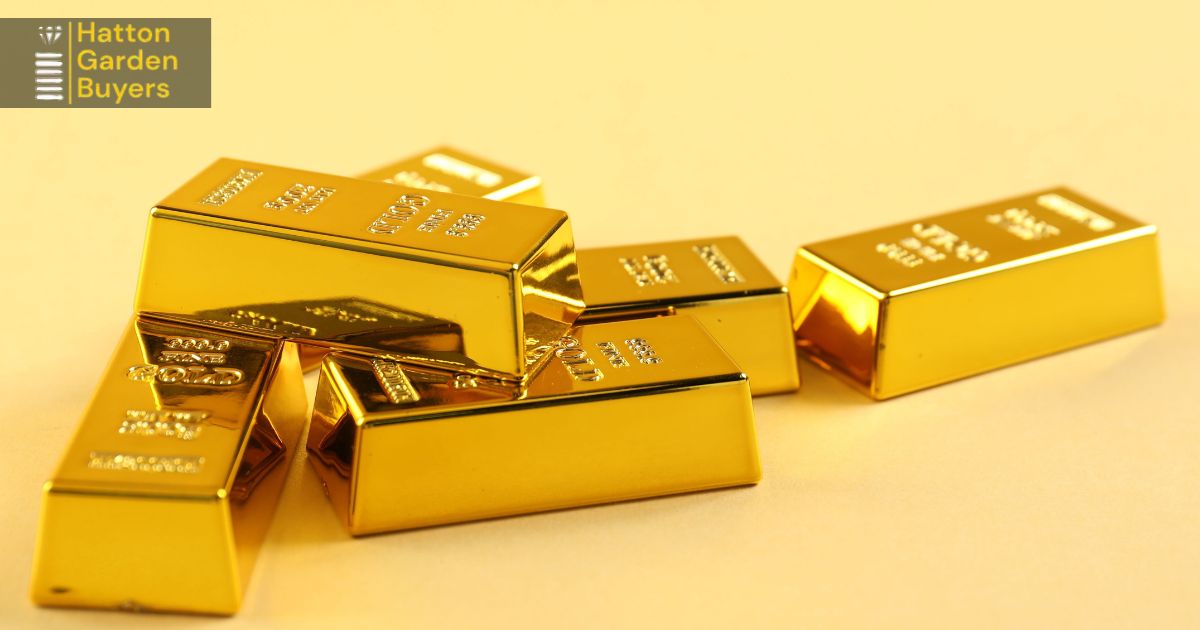
Yellow gold means the oldest type of gold alloy that is associated with rich, warm, and timeless values. This metal alloy consists of pure (24K) gold with other metals, such as copper and silver. The other metals help to make this gold type more durable as jewellery collections, such as rings, necklaces, and bracelets.This gold type has some properties that make it unique. For example, it is real gold but rarely 100% in jewellery. Without silver and copper, your jewellery collections will be too soft and easily scratched or bent. See other qualities below!
The metal category is a great option for daily wear because it does not tarnish or rust.
It consists of several carat options, such as 24K, 22K, 18K, 14K, and 9K.
As a fashion accessory, it produces elegant contrasts with white diamonds and coloured gemstones, like rubies or sapphires.
The yellow colour in the metal is natural and permanent, not fading away over time.
Three main differences between yellow gold and others
To reiterate, there are five colours of the metal that are common in today’s markets: yellow, rose, black, green, and white. Those differences happen due to the very flexible nature of gold itself. The miners or producers can easily mix it with other metals to get various colours in the end.The most common metals inside gold are silver, copper, nickel, and palladium. Different metal additions result in different colours. For example, in yellow gold,the natural yellow remains rich after the miner inputs balanced silver and copper. Read more details on this element and other factors beyond the diverse gold colours that you often see today:
Colour
Colour is the most visible factor that even laymen can easily notice. White gold seems silvery-white in colour, while rose gold has a pink or red tint. Green gold contains a subtle greenish hue. Black gold isn’t naturally black. The colour comes from special coatings, such as black rhodium or ruthenium.
Maintenance
Yellow goldrequires the least maintenance of all, as it is the purest form of the metal. In this case, it doesn’t need any plating with minimal cleaning. The white gold requires rhodium replating over time. The rose category needs a low level of maintenance. The green option needs more attention than the yellow and rose ones. You need to avoid harsh chemicals to retain its colour. The black one is the one that needs the highest care, such as gentle treatment and separate storage to prevent scratches.
Pricing of yellow gold
Thanks to their relatively low maintenance, the yellow and rose gold are more affordable than the others. White gold costs a bit more due to plating. The price of the green metal depends on the rarity and availability. Thus, its rate can be higher than the others, except for the black gold. This option is the most expensive one, as you need to give extra care.
Durability
The durability factor depends on the purity (karat) and alloy metals inside. As such, the yellow gold is not as durable as the others because of its high gold content. Thus, it easily bends, dents, or scratches. Rose gold is the most naturally durable, while white is moderately durable. Green and black gold metals are also less durable.
Sell your gold collections confidently with Hatton Garden Buyers!
Looking for the best online marketplace to sell your gold collections? Hatton Garden Buyers is the answer! Our platform is transparent, easy to use, and confidential. We have a team of gemologists that will value your yellow gold jewellery fairly. Once you reach out to us, we will send a quotation. No pushy sales or hidden costs here.Thus, we will leave you with the entire decision. You can check all processes right at your fingertips. We will offer you higher prices than the average industry standard. What are you waiting for? Chat with us via WhatsApp for immediate responses, or consult first if you have other questions.