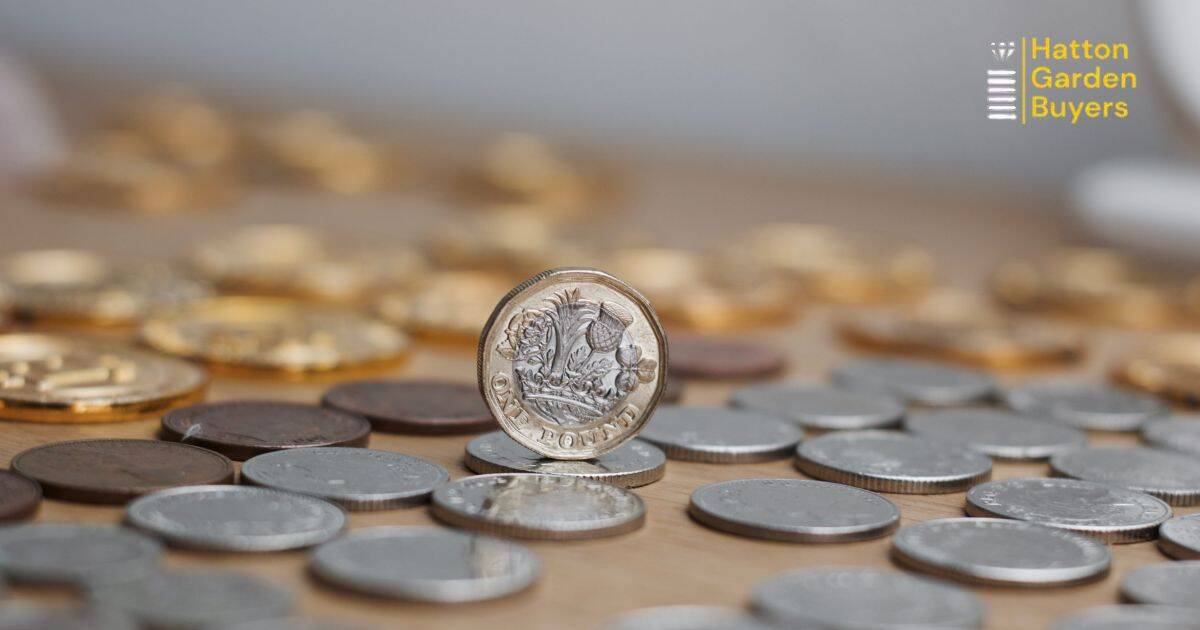
British coins are part of almost everyone’s lives in the UK. You may carry them in many places. It includes your pocket, purse, wallet, and many others. However, many people rarely stop to think about how crucial these coins are in their daily activities. If you take a closer look, you can see that this item is more than just a payment tool. Many people do not realise that there are so many topics to cover around this simple item. If you want to know more about it, this is a must-read article. The guide will explain all key information to enrich your knowledge. Let’s discuss this topic further in the first part below.
What are the current British coins?
The current British coins are 1p, 2p, 5p, 10p, 20p, 50p, £1, and £2. A key fact is that £1 equals 100 pence in the UK currency system. This simple rule becomes the foundation of the modern decimal system. The reason is that the pound is divided into 100 equal parts. It makes coin calculations easier. For example, two 50p coins make £1, and five 20p coins also make £1. The simplicity helps people count money quickly without it being a hassle. Many people think the Bank of England makes the coins. Of course, they play a crucial role in the country’s monetary system. A key fact to note is that the Bank of England is responsible for creating banknotes in the United Kingdom. Meanwhile, the Royal Mint is the official maker of UK coins. That means these two payment tools are created by different institutions.Most people do not know that before 1971, the UK used a more complex system of money, including British coins. It consists of pounds, shillings, and pence. This system becomes complex because it did not follow a base of 100. The rule was one pound equal to 20 shillings, and one shilling equal to 12 pence. This concept makes the calculation harder. That is why the UK changed it in 1971 into the decimal system that people still use today.
The materials inside the coin
Coins must be highly durable. The reason is that it moves constantly in a wide range of environments. People can drop them onto hard surfaces, put them in bags, and do many other things. Imagine if it consists of fragile metals. Therefore, it can cause them to wear down too quickly, making the coin impractical for businesses and consumers. That means the composition of the metal in British coins is crucial to their protection. They must ensure this payment tool has proper strength. It includes the ability to withstand environmental factors such as moisture, air exposure, and constant friction. This part explains the materials in the coins in depth.
Copper-plated steel
The Royal Mint produces the 1p and 2p using a steel core. This steel core is coated with a thin layer of copper. The combination of these two materials provides additional strengths. It is the reason the coins can resist moisture and surface damage. You can see that the copper gives the metal a distinctive reddish appearance.
Nickel-plated steel
Looking closely, you can see the nickel covers the steel for 5p and 10p British coins. Therefore, the most noticeable feature is the nickel finish. It gives the surface a bright silver appearance and enhances its resistance. For example, it can make steel more corrosion-resistant. It keeps the writing on this coin visible over time.
Tips when you’re starting to collect British coins
Collecting British coins can be an intellectually rewarding hobby. It gets better because you don’t need a large investment or specialised equipment. Most enthusiasts begin by examining the coins they receive in daily transactions. It can be in shops, supermarkets, restaurants, and many more. This simple action often becomes a habit that people sustain for years.If you’re lucky, there is a chance to find certain rare types, such as the Royal Mint Sovereign, which consists of 22-carat gold. There is also another one called the Royal Mint Gold Britannia with a 24 carat purity level. Hence, if you wish to embark on this educational hobby, the practical steps below ensure readers can do it properly:
Set aside the coin that features a commemorative design.
Avoid clearing your collection under any circumstances.
Store the coins in proper storage.
Research official information from the Royal Mint.
Get the best-selling price for your jewellery collection at Hatton Garden Buyers!
After reading this article, you can see that British coins are more than just a small payment tool. There are many discussion topics around this piece of metal. Their carefully engineered materials enable them to withstand years of continuous use. Alongside banknotes, they facilitate everyday transaction needs. Knowing all of this information allows readers to have a deeper appreciation for this simple-looking item.If you have a jewellery collection but are still confused about where to sell, look no further than Hatton Garden Buyers. There is no need to fear getting a low price here. That’s because a team of jewellery experts will transparently value your items. It enables sellers not only to get the best price but also a fair one. Simply visit the site to book the appraisal session and start making money now!